








How Much Iron Per Day for a Woman Breastfeeding?
Why Iron is a Must-Have Mineral After Baby Arrives
Iron plays a powerful role in helping you feel strong, energized, and mentally sharp—especially after childbirth. But after pregnancy and delivery, many new moms are left depleted and wondering: How much iron do I need while breastfeeding?
This article will walk you through the basics: how much iron is safe, how it helps both you and your baby, and how to get enough through food, supplements, or your postnatal vitamin. Plus, we’ll link you to our favorite resources, including our guide to the Best Postnatal Vitamins for Breastfeeding and local support at NEPA Breastfeeding Center.
Let’s dive in.
Why Iron Is So Important After Giving Birth
Iron is a key mineral for forming hemoglobin—the protein in red blood cells that carries oxygen throughout your body. During pregnancy, your body needs extra iron to support your growing baby and placenta. After birth, that demand continues.
For breastfeeding moms, iron helps:
- Replenish blood lost during delivery
- Prevent postpartum anemia
- Restore energy and fight fatigue
- Support immune function and wound healing
- Ensure your baby gets enough iron through your milk
Iron doesn’t always get the spotlight, but for tired new moms running on little sleep, it can make a noticeable difference.
How Much Iron Do Breastfeeding Women Need Daily?
According to the National Institutes of Health (NIH), the recommended daily iron intake for breastfeeding women is:
9 milligrams (mg) per day
This is lower than the 27 mg needed during pregnancy. Why the decrease?
When you breastfeed, your body isn’t losing iron through menstruation (most women don’t get their periods back right away), and the amount of iron passed through your breast milk is relatively small. Still, you need enough to replenish your own stores, especially if you lost a lot of blood during birth.
Are You Getting Enough Iron?
Even though 9 mg sounds doable, many women start the postpartum period already low in iron. If your iron stores were low during pregnancy or if you had significant blood loss during delivery, your provider might recommend more than the standard 9 mg.
Signs of low iron or anemia may include:
- Fatigue or extreme tiredness
- Weakness
- Pale skin
- Shortness of breath
- Headaches or dizziness
- Cold hands and feet
- Poor concentration or “brain fog”
Sound familiar? Don’t brush these symptoms off as just “new mom exhaustion.” If they persist, ask your provider about checking your iron levels.
Best Food Sources of Iron for Breastfeeding Moms
There are two types of dietary iron: heme (from animal sources) and non-heme (from plant sources). Heme iron is absorbed more easily by the body.
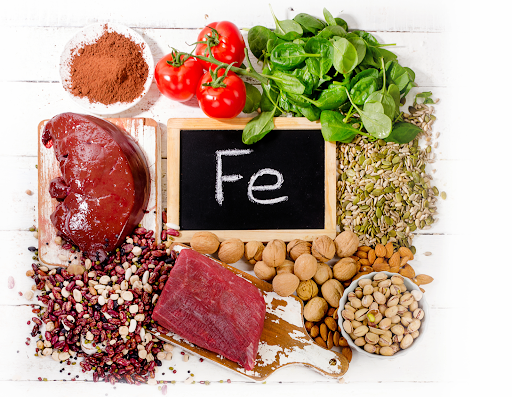
Great sources of heme iron:
- Red meat (beef, lamb, liver)
- Chicken and turkey (especially dark meat)
- Fish and shellfish
Great sources of non-heme iron:
- Lentils and beans
- Spinach and other leafy greens
- Tofu and tempeh
- Quinoa and fortified cereals
- Dried fruits like apricots and raisins
- Pumpkin seeds and cashews
Pro tip: Pair non-heme iron with vitamin C (like citrus fruits, tomatoes, or bell peppers) to boost absorption.
Should You Take an Iron Supplement?
Many postnatal vitamins include iron—but not all of them. If yours doesn’t, and you’re showing signs of deficiency, your doctor may recommend a separate supplement.
Iron supplements come in various forms:
- Ferrous sulfate (most common but may cause constipation)
- Ferrous gluconate (gentler on the stomach)
- Heme iron polypeptides (from animal sources)
Always take iron supplements with food to avoid stomach upset, and avoid taking them with calcium (which blocks absorption). If your provider recommends a supplement, ask about dosing, side effects, and how long you’ll need it.
Need help choosing a supplement with the right iron amount? Visit our Best Postnatal Vitamins for Breastfeeding article for guidance.
Does My Baby Need Extra Iron Too?
Babies are born with iron stores built up during pregnancy, which generally last for their first 4 to 6 months of life. After that, they’ll start needing iron-rich foods or supplements to meet their growing needs.
Breast milk contains some iron, but not a lot—so once your baby begins solids, your pediatrician may recommend foods like:
- Fortified baby cereal
- Pureed meats
- Mashed lentils
- Iron-rich veggies like spinach or sweet potatoes
At PAK Pediatrics, we help guide you through every milestone—including when to start solids and how to build iron into your baby’s diet.
Can You Get Too Much Iron?
Yes. Too much iron can cause constipation, nausea, stomach upset, or—in rare cases—iron overload. That’s why you should only take iron supplements if recommended by your provider, especially if your diet already includes a lot of red meat or fortified foods.
Keep iron supplements out of reach of children, as accidental ingestion can be dangerous for babies and toddlers.
Final Thoughts
Iron may not be the flashiest nutrient, but it’s one of the most important during the postpartum period. Whether you’re recovering from delivery, trying to shake off fatigue, or just want to feel more like yourself again, getting enough iron can make a real difference.
If you have questions about your levels or aren’t sure whether your postnatal vitamin includes enough, reach out to your provider—or schedule a visit with our team at NEPA Breastfeeding Center. We’re here to help every mom feel her best.
Frequently Asked Questions
Q: How do I know if I need more iron?
A: If you’re experiencing fatigue, pale skin, dizziness, or brain fog, ask your provider to check your hemoglobin and ferritin levels. A blood test can confirm whether you’re iron deficient.
Q: Will taking iron increase my milk supply?
A: Not directly—but low iron can cause fatigue, which may interfere with your ability to breastfeed consistently or maintain energy for pumping.
Q: Can I take iron while breastfeeding?
A: Yes, and it’s often necessary—especially after blood loss during delivery. Just be sure to take it with guidance from your healthcare provider.
Q: Does my baby need an iron supplement?
A: Not at birth, but starting around 4–6 months, babies may need additional iron through food or supplements. Talk to your pediatrician about what’s right for your child.