










How Much Magnesium Does a Breastfeeding Woman Need?
The Essential Mineral That Keeps You Calm, Strong, and Nourished
You’ve just had a baby, your body is healing, and now you’re nourishing another human being with your milk. That takes a lot of energy—and magnesium plays a big role in helping you stay calm, rested, and balanced during this postpartum season.
Magnesium isn’t usually the first nutrient that comes to mind when thinking about breastfeeding, but it’s incredibly important. It supports everything from nerve function to muscle recovery and even milk production.
So how much magnesium do you need while breastfeeding? And how do you know if you’re getting enough? Let’s break it all down in this mom-friendly, evidence-based guide—with expert support from the team at NEPA Breastfeeding Center.
Why Magnesium Matters for Breastfeeding Moms
Magnesium is an essential mineral that helps regulate over 300 enzyme reactions in your body. That’s a big deal!
For postpartum and breastfeeding moms, magnesium:
- Helps muscles relax and recover (crucial after labor or a C-section)
- Supports your nervous system to manage stress and sleep
- Regulates blood pressure and blood sugar
- Helps produce energy at the cellular level
- May support milk production by relaxing smooth muscle tissue
- Can help ease leg cramps, headaches, or irritability
With sleep deprivation, physical exhaustion, and hormonal changes all in the mix, magnesium becomes a quiet hero in your postpartum recovery and day-to-day well-being.
How Much Magnesium Do Breastfeeding Women Need?
According to the National Institutes of Health (NIH), the recommended daily intake for magnesium is:
360 mg per day for breastfeeding women aged 19–30
320 mg per day for breastfeeding women aged 31 and older
This is a slight increase from pre-pregnancy needs and reflects the additional energy your body uses to produce nutrient-rich breast milk.
Signs You May Be Low in Magnesium
A mild magnesium deficiency may be more common in new moms than you’d think, especially if you’re dealing with fatigue, anxiety, or stress.
Symptoms of magnesium deficiency include:
- Muscle cramps or spasms
- Restless legs, especially at night
- Fatigue or weakness
- Headaches
- Mood swings or anxiety
- Sleep disturbances
- Sugar cravings
The postpartum period can make it hard to notice subtle deficiencies, so it’s always worth discussing your symptoms with a provider—or visiting NEPA Breastfeeding Center for a personalized evaluation.
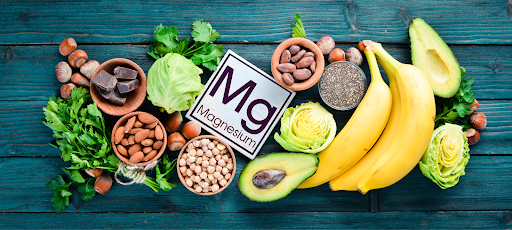
Magnesium-Rich Foods for Breastfeeding Moms
Luckily, magnesium is found in a variety of common foods—especially plant-based sources.
Some of the best natural sources include:
- Leafy greens (spinach, Swiss chard)
- Avocados
- Pumpkin seeds
- Black beans and lentils
- Whole grains (brown rice, quinoa, oats)
- Dark chocolate
- Nuts (almonds, cashews)
- Bananas
- Tofu
A well-balanced diet that includes whole foods will likely meet your magnesium needs. But postpartum life can be unpredictable, and sometimes it’s hard to eat consistently—so don’t be too hard on yourself if you’re relying on supplements to help.
Should You Take a Magnesium Supplement?
If you’re unable to meet your magnesium needs through diet alone, a magnesium supplement may be recommended. This is especially true if you’re experiencing persistent fatigue, stress, or muscle tension.
Magnesium comes in several forms:
- Magnesium citrate – well absorbed and often used for gentle constipation relief
- Magnesium glycinate – known for calming effects and easy digestion
- Magnesium oxide – common, but less bioavailable
Most postnatal vitamins do include magnesium, but sometimes in lower amounts. Be sure to check the label and discuss your needs with your provider.
Need help choosing a supplement? Start with our Best Postnatal Vitamins for Breastfeeding guide.
Does Magnesium Affect Your Breast Milk?
Yes—but in a good way! While the amount of magnesium in breast milk is relatively stable and not highly influenced by your intake, your body will pull magnesium from its own stores to make sure your baby gets enough.
This is why it’s so important to maintain your own levels—so you don’t end up depleted.
Adequate magnesium helps your baby with:
- Healthy nerve and muscle development
- Calming and sleep support
- Heart rhythm regulation
- Enzyme and cellular function
By caring for your magnesium intake, you’re supporting both your own energy and your baby’s long-term health.
Magnesium and Postpartum Mood
Emerging research suggests magnesium may play a role in reducing postpartum anxiety or depression. While it’s not a replacement for therapy or medication, maintaining healthy magnesium levels may help stabilize mood and manage stress.
This mineral supports the body’s stress response by regulating cortisol and promoting GABA, a calming brain chemical.
If you’re struggling emotionally during the postpartum period, you’re not alone—and it’s always okay to ask for help. Reach out to your provider or connect with the caring team at NEPA Breastfeeding Center for support.
Final Thoughts
Magnesium might not be the flashiest nutrient, but it’s essential for breastfeeding moms who want to feel strong, calm, and energized. Whether you meet your needs through food or supplements, the right balance of magnesium can help you recover from birth, support milk production, and handle the emotional ups and downs of new motherhood.
If you’re unsure where to start—or feel like you’re not getting enough—don’t hesitate to connect with your doctor or visit the NEPA Breastfeeding Center. You deserve support, and we’re here to help every step of the way.
Frequently Asked Questions
Q: Can I take too much magnesium while breastfeeding?
A: Yes, especially in supplement form. Too much magnesium may cause diarrhea, nausea, or stomach cramps. Always stick to the dose recommended by your provider.
Q: Will magnesium affect my baby through breast milk?
A: Your baby will get a steady amount of magnesium from your milk, but your intake supports your own health more than directly increasing milk magnesium levels.
Q: Can magnesium help with sleep?
A: Yes, magnesium helps relax muscles and calm the nervous system. It may help with postpartum sleep issues when taken in the evening.
Q: Is magnesium included in postnatal vitamins?
A: Often, yes—but the amount may be lower than what you need. You might still benefit from magnesium-rich foods or an additional supplement if recommended.