











Breastfeeding-Friendly Pacifiers for Newborns: What to Know Before You Introduce One
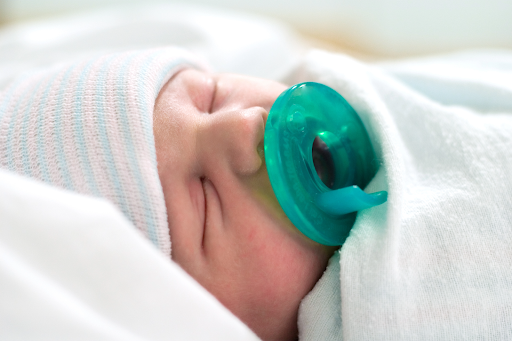
If you’re a breastfeeding mom, you’ve probably been told a lot about pacifiers—some say they’re a must-have, others say to avoid them entirely. The truth? Pacifiers can be perfectly safe for breastfed babies when used the right way—and the key is choosing one that supports your feeding journey, not disrupts it.
At PAK Pediatrics, we help new moms every day through our NEPA Breastfeeding Center, where we work side by side with families to support successful breastfeeding—whether or not pacifiers are part of the picture. We know real parenting requires flexibility, and pacifiers can offer valuable comfort for many newborns.
In this guide, we’ll help you:
- Understand when and how to introduce a pacifier
- Choose features that are breastfeeding-friendly
- Avoid nipple confusion
- Feel confident in your decision—whatever it is
What Makes a Pacifier “Breastfeeding-Friendly”?
Let’s clear something up first: no pacifier is identical to the breast. But some are better designed to mimic the feel and motion of nursing, helping babies who are breastfed switch between breast and pacifier without confusion.
A breastfeeding-friendly pacifier should:
- Have a soft, flexible nipple
This allows for natural tongue and jaw movement, much like breastfeeding. - Mimic the shape of the nipple
Round or symmetrical shapes often make the transition easier. - Be made from safe, medical-grade materials
Look for BPA-free silicone or rubber, and avoid scented or flavored options. - Have a lightweight, one-piece design
These reduce choking risks and stay in place more easily for tiny mouths.
What to avoid:
- Stiff or flat pacifier nipples
- Heavy or awkward shapes that don’t mimic natural sucking
- Pacifiers with extra textures or added flavors (which can interfere with feeding cues)
If your baby is struggling with latch or switching between bottle and breast, choosing a gentle, well-designed pacifier can make all the difference. For more information on pacifiers, check out our article called The Best Pacifiers for Breastfeeding
When Should You Introduce a Pacifier to a Breastfed Baby?
Timing matters. If a pacifier is introduced too early, it can interfere with your baby’s ability to latch or nurse effectively.
Most experts (and our team at PAK) recommend:
- Waiting 3–4 weeks after birth, until breastfeeding is well-established
- Making sure your baby has a deep, pain-free latch and is gaining weight consistently
- Ensuring your milk supply is stable and being adequately drained
Once you’ve got a feeding rhythm going, introducing a pacifier becomes more about preference and comfort—not survival.
That said, there are exceptions. Some babies in the NICU are given pacifiers early to help develop sucking reflexes. In these cases, it’s done under medical supervision and doesn’t typically cause long-term issues.
Signs That Your Baby May Be Ready for a Pacifier
Not sure if it’s time? Here are some green lights that suggest you’re good to go:
- Breastfeeding is pain-free and consistent
- Your baby is gaining weight and having regular wet/dirty diapers
- Your baby seems to need comfort sucking beyond hunger cues
- You’re confident reading your baby’s signs for hunger vs. fussiness
And remember—some babies don’t want a pacifier at all, and that’s okay too!
Using a Pacifier the Breastfeeding-Friendly Way
Once you’re ready to introduce one, here’s how to keep breastfeeding on track:
Offer it after a full feeding
Don’t use a pacifier to delay or replace a feeding. Make sure baby’s belly is full first.
Watch your baby’s cues
Offer the pacifier when they’re fussy but not showing hunger signs (like rooting, licking lips, or sucking hands).
Keep it clean
Wash pacifiers regularly with warm, soapy water or sterilize according to the manufacturer’s directions.
Don’t coat it with anything
Never dip a pacifier in sugar, honey, or other substances. Not only can this be harmful—it may also confuse your baby’s feeding patterns.
Use it when needed, not all the time
Pacifiers are a tool, not a must. Use it when it helps (during naps, car rides, etc.), and don’t worry if your baby spits it out.
What About Nipple Confusion?
This is a common worry—and a valid one. “Nipple confusion” refers to when a baby has trouble switching between breast and artificial nipples (like pacifiers or bottles) because of different sucking mechanics.
But here’s the good news: if breastfeeding is going well and your baby is latching properly, occasional pacifier use is unlikely to cause confusion. Just be mindful not to use it too often, especially in the early weeks, when your baby needs to spend lots of time at the breast to build your milk supply.
Still unsure? We recommend connecting with a lactation consultant for support tailored to your baby’s needs. Visit the NEPA Breastfeeding Center to get started.
When to Skip the Pacifier (for Now)
In some situations, it’s best to wait or reconsider introducing a pacifier:
- Your baby has trouble latching or weight gain is slow
- You’re experiencing painful feedings or nipple damage
- You’re concerned about milk supply
- You feel unsure about reading your baby’s hunger vs. comfort cues
These are signs that your baby may need more time nursing at the breast—or that you need some extra support.
You can find answers and one-on-one help at https://nepabreastfeeding.com/
Pacifier Safety Tips for Newborns
Safety is always top priority, especially for newborns. Here’s how to use pacifiers responsibly:
- Never tie a pacifier around your baby’s neck or crib
- Use age-appropriate sizes and inspect them often for cracks
- Replace pacifiers every 4–6 weeks or when they show signs of wear
- If your baby falls asleep with it and spits it out, don’t worry—there’s no need to reinsert it unless they want it
Pacifiers have even been shown to reduce the risk of SIDS when used during naps and nighttime sleep. Just make sure you’re following safe sleep practices too.
What If My Baby Doesn’t Like Pacifiers?
Totally normal! Some babies just aren’t into pacifiers—and that’s fine. They may prefer the breast for comfort, or they may simply not have a strong need to suck beyond feedings.
If your baby refuses a pacifier:
- Try again at a different time
- Offer it in different moods (drowsy, fussy, etc.)
- Try a different nipple shape or firmness
- Or skip it altogether if baby is content
It’s just one of many tools—not a requirement.
Get Support from PAK Pediatrics and the NEPA Breastfeeding Center
At PAK Pediatrics, we’re all about personalized care. Whether you’re exploring pacifiers, struggling with latch issues, or just need some reassurance that you’re doing it right (spoiler: you are!), we’re here to help.
Our NEPA Breastfeeding Center is a trusted resource for:
- One-on-one lactation support
- Breastfeeding classes and groups
- Help with latch, pumping, bottle feeding, and more
- Community-based guidance from caring professionals
Final Thoughts
Breastfeeding-friendly pacifiers are all about balance. Used wisely, they can offer comfort, help babies sleep, and even support healthy development—without disrupting your breastfeeding journey.
The key is timing, observation, and choosing a design that supports natural sucking. And if things feel off or you’re unsure what’s best for your baby, you don’t have to figure it out alone.
At PAK Pediatrics, we’re here to guide, encourage, and support you—no matter where you are in your journey.
Need help deciding when to introduce a pacifier—or just want to talk with someone who gets it?
Visit our Breastfeeding Support Page or call your nearest PAK Pediatrics office to speak with our friendly team today.